Choose conditions, not pressure.
Start only when the setting, equipment, handler capacity, and dog’s visible comfort make a short practice moment sensible. Use secure spaces and responsible supervision.
Welfare comes before a route
KindCue Circuit promotes general, reward-led educational planning. It does not prescribe an individual dog’s needs, diagnose health or behaviour, or authorize anyone to push through discomfort.
Start only when the setting, equipment, handler capacity, and dog’s visible comfort make a short practice moment sensible. Use secure spaces and responsible supervision.
When attention or comfort changes, lower distance, duration or distraction. Pausing, moving away, sniffing, resting, drinking water, or leaving are valid options.
For illness, injury, pain, acute distress, unsafe behaviour, or a situation you cannot safely manage, stop and seek suitable veterinary, emergency, or qualified professional assistance.
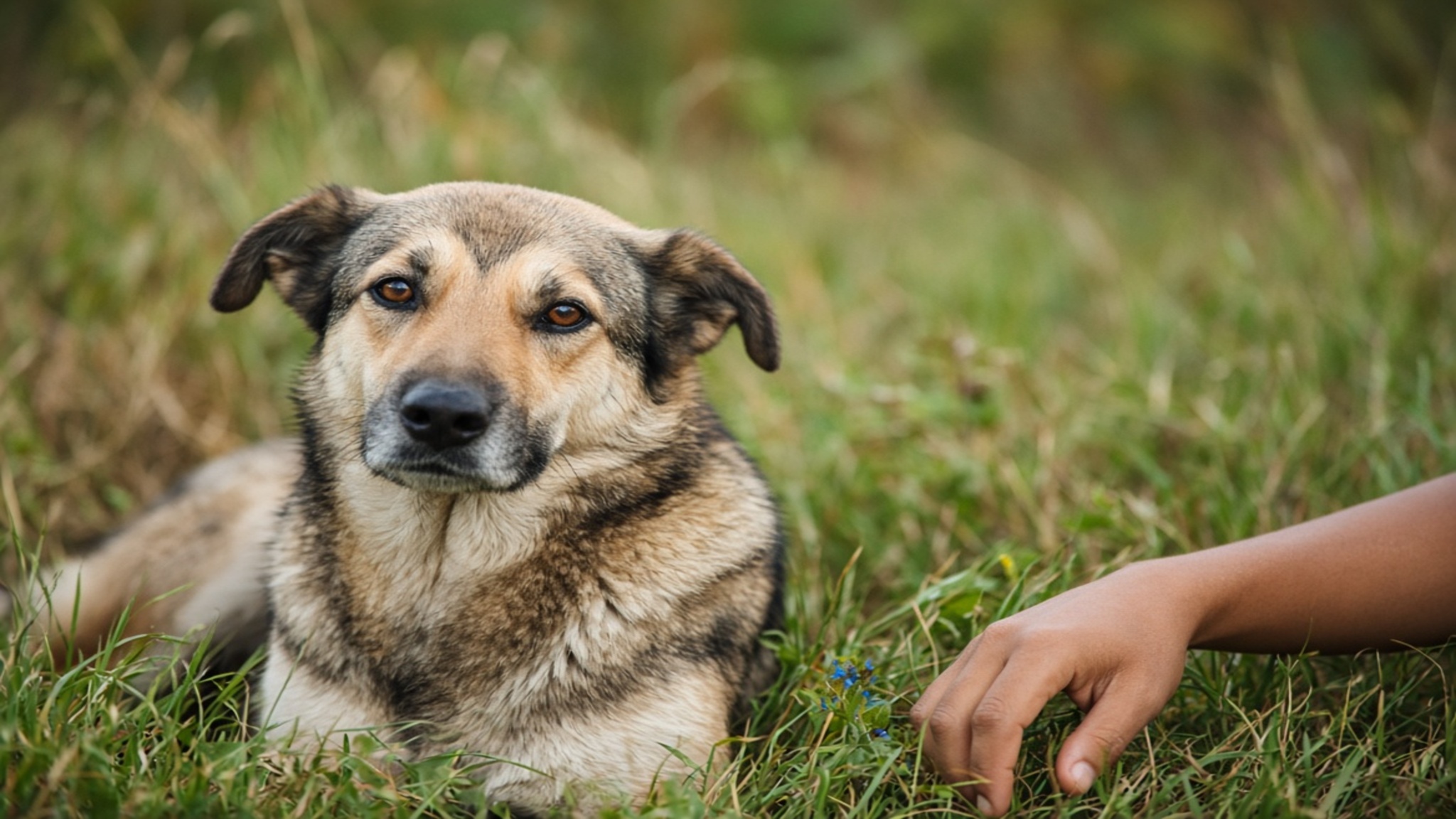
Visible observations only
Signal Lantern uses general visible examples—such as a loose posture, turning away, loss of focus, or a pause—to prompt the handler to reassess. These examples are not a diagnosis, a label, or a claim about an animal’s internal state.
Aversion-based correction instructions, dominance framing, pain or intimidation, forced posture, unsafe loose-dog scenarios, medical treatment, medication advice, diagnostic claims, injury rehabilitation, guarantee language, or competition-readiness claims.
The app cannot make a location secure, establish recall, determine equipment fit, set safe obstacle intensity, decide when a dog can train, or replace a club instructor or animal-care professional.